Global trade corridors and migratory wildlife pathways continuously elevate the risk of zoonotic pathogen spillover across international borders. Public health agencies face intense pressure to detect emerging respiratory threats before local transmission accelerates. Identifying human cases requires robust diagnostic tools capable of pinpointing specific viral markers from clinical specimens with high analytical precision.
Zoonotic transmission dynamics demand rapid containment strategies at ports of entry and regional medical centers. Healthcare professionals managing potential exposure cases rely on validated testing modalities to confirm infections accurately. Differentiating specific viral subtypes prevents misdiagnosis during seasonal respiratory illness surges. National surveillance programs require consistent analytical sensitivity to monitor low-level circulation.
Epidemiological Demands of Cross-Border Surveillance
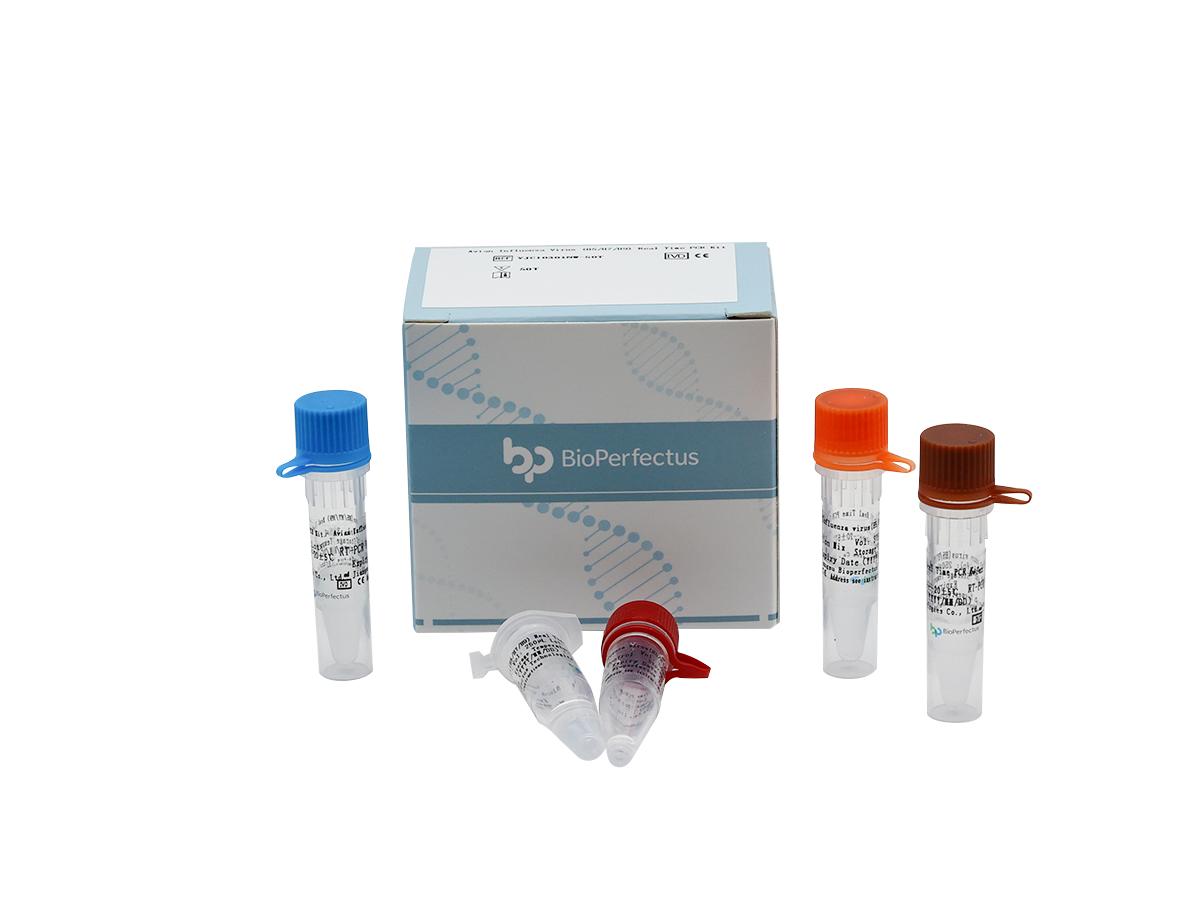
Border health screening protocols depend heavily upon optimized nucleic acid amplification parameters to catch imported cases early. Facilities operating in high-volume environments require reagents that maintain stability under diverse operational conditions. Laboratories utilizing the BioPerfectus Avian Influenza Virus (H5/H7/H9) Real-Time PCR Kit benefit from streamlined human specimen processing protocols.
Clinical laboratories handle nasopharyngeal swabs and oropharyngeal specimens routinely to identify distinct viral RNA signatures efficiently. Standardizing sample input volumes minimizes pipetting errors across multiple testing batches.
Rapid thermal cycling efficiency dictates how quickly emergency response teams receive actionable analytical data during public health investigations. Modern laboratories demand rapid turnaround times to mitigate potential outbreak escalations swiftly across transport hubs. A standard testing time of seventy-nine minutes allows diagnostic facilities to process urgent sample batches without bottlenecking workflows.
Maintaining recommended storage temperatures ensures optimal reagent stability throughout the designated twelve-month shelf-life period. Assay packaging configurations must align with fluctuating testing demands observed during heightened alert phases.
Technical Specifications and Assay Design
Facilities can acquire the certified avian influenza test kit in twenty-five-test or fifty-test package formats according to institutional requirements. Integrating a reliable diagnostic tool into regional reference laboratories strengthens international biosecurity frameworks significantly.
Diagnostic personnel evaluate kit storage requirements carefully to maintain chemical potency and prevent false outcomes. Procurement officers evaluate packaging options to match anticipated surge testing volumes during active outbreak seasons. Collaborative monitoring networks rely on standardized testing protocols for uniformity across partner institutions.
Operational workflow optimization remains a primary objective for molecular pathology managers overseeing high-volume screening operations. Technicians require assay systems compatible with diverse real-time PCR instrument models already installed in regional medical hubs. Eliminating the need for dedicated hardware investments lowers operational barriers for resource-limited border laboratories.
Multiplex amplification designs enable simultaneous target identification within single analytical runs. Embedded internal quality controls within the reaction mixture guarantee analytical reliability from extraction through amplification.
Laboratory Workflow Integration and Efficiency
Monitoring amplification performance prevents false negatives caused by reagent degradation or inhibitory clinical substances present in patient samples. Laboratories adopting advanced diagnostic solutions gain confidence through rigorous quality assurance architectures built into every reaction batch. Preventing cross-reaction with similar-symptom pathogens safeguards high diagnostic specificity during peak respiratory illness seasons.
Regional health ministries utilize subtyping data to map viral evolution and monitor antigenic drift patterns closely. Implementing a validated PCR test for avian flu ensures data comparability between cross-border partner institutions.
Qualitative detection and differentiation of specific viral subtypes support epidemiological tracing across interconnected transport networks and regional clinics. Strategic institutional partnerships with BioPerfectus secure reliable access to advanced diagnostic solutions tailored for complex surveillance needs.
Medical institutions collaborating with developers ensure rapid adaptation to evolving viral characteristics during seasonal transitions. Sustained cooperation between clinical laboratories and diagnostic manufacturers optimizes screening efficiency across decentralized medical networks. Strengthening regional diagnostic capabilities protects vulnerable global populations from unforeseen epidemiological risks.
Quality Control and Subtype Differentiation
Laboratory personnel training programs must emphasize adherence to strict biosafety and quality control guidelines. Technicians mastering operational nuances reduce procedural variance between testing shifts in busy clinical environments. Continuous proficiency testing ensures that regional diagnostic facilities maintain high standards of analytical accuracy over time.
Sharing technical insights across borders strengthens collective defense mechanisms against emerging biological threats. Regulatory compliance documentation provides clear guidance for clinical laboratory directors managing imported specimen testing workflows.
Final verification steps in cross-border screening protocols require robust documentation and traceable quality audit trails. Implementing stringent review procedures guarantees that every reported diagnostic outcome meets rigorous international standards for public health reporting. Health authorities leveraging precise subtyping tools maintain operational readiness against unforeseen epidemiological challenges in real-time.
Coordinated molecular surveillance remains the cornerstone of modern biosecurity management across international trade routes. Deploying a reliable PCR test for avian flu completes the tactical framework for modern border health defense.
Securing Public Health Through Standardized Diagnostics
Medical facilities equipped with streamlined molecular assays navigate complex diagnostic challenges with greater confidence and speed. Sustained commitment to quality control and standardized testing protocols ensures lasting resilience against zoonotic health risks globally. Regional healthcare networks stand better prepared to intercept emerging pathogens early through coordinated laboratory response plans.
Effective cross-border disease surveillance ultimately depends on the seamless execution of each individual diagnostic step. Incorporating a robust avian influenza test kit strategy ensures comprehensive preparedness against evolving respiratory threats.
Continued collaboration among international stakeholders secures a safer, more resilient future for global health security worldwide. BioPerfectus remains dedicated to empowering clinical laboratories with innovative diagnostic tools designed for maximum reliability.
Regional health authorities must maintain proactive testing strategies to intercept potential zoonotic spillover events before community spread occurs. Clinical teams relying on a sensitive PCR test for avian flu safeguard international public health standards effectively. Maintaining vigilance through validated screening methods empowers public health networks to respond decisively.