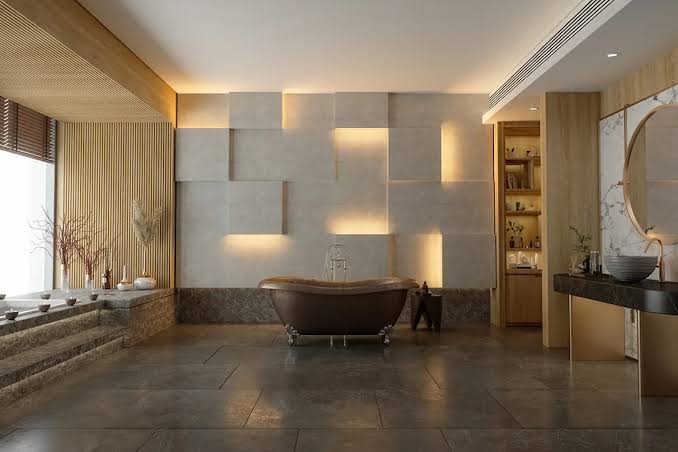
A bathroom remodel is one of the most common projects on the Seattle Eastside, and one of the easiest to get wrong. The room is small, but it packs plumbing, wiring, ventilation, waterproofing, and a lot of daily wear into a few dozen square feet.
The word “custom” gets used loosely. It helps to know what it should mean before calling anyone.
What “Custom” Actually Means
A basic bathroom update swaps the fixtures and keeps everything where it was. A custom remodel starts with how the room gets used. Who gets ready in it, and at what time of day? Is the tub ever filled, or does it just hold towels?
Those answers shape the layout first and the finishes second. Moving a toilet a few feet, widening a shower, or trading a rarely used tub for a walk-in shower with a bench can change how a room works every morning. Changes like these usually mean new plumbing runs and often a permit, so they belong at the very start of planning, not halfway through.
Moisture Comes First in the Pacific Northwest
The Pacific Northwest stays damp for much of the year, and a bathroom adds steam on top of that. Ventilation is not exciting, but it decides how well the room holds up. A properly sized exhaust fan, ducted to the outside and quiet enough that people actually run it, does more for a bathroom’s lifespan than almost any finish choice.
The same thinking applies behind the tile. A shower is only as good as the waterproofing under it. Ask what membrane goes on the shower walls and floor, how the niche and bench will be sealed, and how the floor will slope to the drain. Nobody sees these details once the tile is up, which is exactly why they deserve a question before it goes up.
Tile, Light, and Storage
Tile carries most of the visual weight in a custom bathroom. Large-format porcelain means fewer grout lines to clean. Smaller mosaic tile on a shower floor gives better grip underfoot. Stone-look porcelain offers the feel of natural stone with less upkeep.
Lighting deserves its own plan. Layers work best: an overhead fixture for general light, even task light at the mirror so faces are not shadowed, and a dimmable option for a late-night bath. Natural light helps too, and a skylight can brighten a bathroom that has no wall space for a window.
Storage is where custom work earns its name. A recessed niche in the shower, a tall linen tower beside the vanity, drawers sized for hair tools, and built-in shelving can clear the counters for good.
Planning for the Years Ahead
Aging-in-place features are far easier to include during a remodel than to add later, and many of them simply look like good design:
– A curbless or low-threshold shower entry
– Blocking inside the walls for future grab bars
– A built-in shower bench and a handheld shower head
– Slip-resistant floor tile
– A comfort-height toilet and lever-style handles
None of these make a bathroom feel clinical. They make it easier to use for a guest on crutches, a parent visiting for the holidays, or the homeowners themselves twenty years from now.
Seeing It Done Well
Photos of finished projects help more than mood boards, because they show materials working together in a real home. One example comes from the bathroom portfolio of Higgason Homes, a licensed and bonded Sammamish remodeler founded by Shannon Higgason in 2007. A Woodinville primary bath there pairs a warm wood vanity and linen tower with a white trough sink with two faucets, a freestanding soaking tub, and a walk-in stone-look tile shower with a bench and frameless glass under a new skylight.
That one room touches nearly every point above: a layout built around two people, a shower bench, tile chosen for texture, and natural light from overhead.
Questions to Ask a Contractor
Before signing anything, a homeowner should get clear answers to a handful of questions. Is the company licensed and bonded in Washington? Who manages the project day to day, and is design handled in-house or handed off? Who pulls the permits and schedules inspections? What waterproofing system goes behind the shower tile, and what ventilation is planned? How will the rest of the house be protected during the work, and how long will the bathroom be out of service?
Good contractors welcome these questions. The answers say a lot about how the job will run, and a bathroom built with care behind the walls is one that stays dry, bright, and easy to live with for a long time.