Solar-powered irrigation helps agricultural operators manage water delivery in areas with limited access to conventional electricity. However, changing sunlight, motor loads, and environmental conditions can affect pumping performance. Selecting suitable inverter equipment is important, but electrical control alone cannot prevent every operational problem.
Equipment from a solar inverter manufacturer can provide specific protection and control functions. However, reliable irrigation also depends on motor compatibility, hydraulic conditions, correct installation, and regular maintenance. Understanding these limitations helps buyers make practical equipment decisions.
Why Solar Irrigation Systems Face Different Risks
Agricultural pumping systems operate under changing environmental conditions. Solar radiation varies throughout the day, affecting the electricity available for motor operation. Sudden reductions in sunlight may cause unstable pumping performance or temporary shutdowns.
For a solar irrigation system, electrical fluctuations are only one concern. Insufficient water supply, blocked pipelines, and unsuitable pump selection can also interrupt irrigation. These problems require different protection methods because inverter control cannot directly resolve every hydraulic failure.
Motor overload is another potential risk. Excessive mechanical resistance or incorrect operating parameters may increase motor current. Suitable inverter protection functions can respond to certain electrical abnormalities, but their effectiveness depends on equipment specifications and parameter settings.
Installation conditions also influence reliability. Agricultural environments may expose equipment to dust, moisture, and high temperatures. Proper enclosure selection, ventilation, and electrical connections help reduce avoidable equipment failures.
How Inverter Protection Supports Pump Operation
Solar pump inverters regulate motor operation according to available electrical power. By adjusting output frequency and voltage, compatible equipment can control pump speed as sunlight conditions change.
Modern solar inverter solutions often incorporate maximum power point tracking technology. MPPT adjusts photovoltaic operating conditions to obtain available energy from solar panels. This function supports power utilization, although actual pumping performance also depends on motor and hydraulic efficiency.
Electrical protection functions require careful evaluation. Depending on the inverter model, these may include overcurrent, overload, undervoltage, and overvoltage protection. Buyers should examine technical documentation to identify supported functions and their operating limits.
Automatic control can also reduce unnecessary interruptions. Some solar pump inverters respond to insufficient sunlight by stopping operation temporarily. When available solar power increases, compatible equipment can restart according to its configured operating conditions.
Motor Compatibility Determines Equipment Suitability
Motor characteristics influence inverter selection. Agricultural pumps may use different motor types, rated voltages, and phase configurations. Matching these requirements with inverter specifications is necessary for stable operation.
Single-phase and three-phase motors have different electrical characteristics. Some inverter models support multiple wiring configurations, providing additional flexibility for agricultural and industrial pumping applications. However, supported connections must be confirmed before installation.
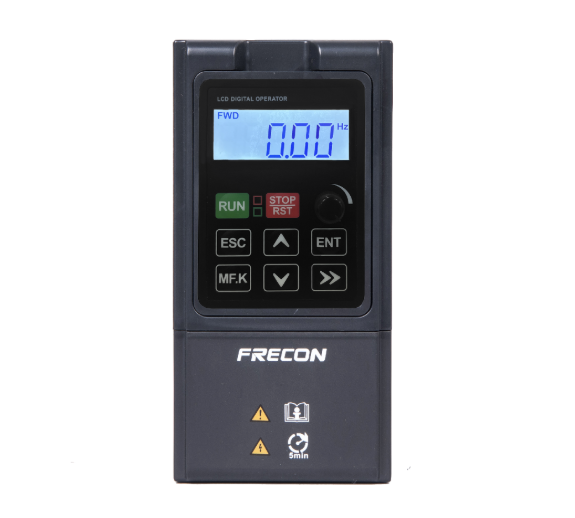
For example, FRECON offers the PV150A Series Solar Water Pump Inverter, designed for several motor types and wiring arrangements. These characteristics allow buyers to consider different pumping configurations when selecting suitable inverter equipment.
Motor compatibility should also be evaluated alongside cable dimensions, grounding, and installation requirements. Incorrect electrical connections or unsuitable parameter settings can affect equipment performance despite the presence of inverter protection functions.
Solar Power Tracking and Automatic Operation
Photovoltaic output changes with sunlight intensity, panel temperature, and weather conditions. Solar pump inverters must manage these variations while maintaining operation within their supported electrical limits.
The PV150A series incorporates advanced MPPT algorithms, with a stated MPPT tracking efficiency of 99%. This figure describes the tracking function rather than the overall efficiency of the complete irrigation installation.
Hybrid power supply is another consideration for agricultural projects. Compatible hybrid solar pump inverters can use photovoltaic DC power and AC electricity according to their supported input arrangements. This capability may help maintain pumping schedules when solar generation becomes insufficient.
Dormancy and wake-up functions provide further operational flexibility. Suitable inverters can enter dormancy mode during weak sunlight and resume operation when sufficient power returns. This reduces repeated manual restarting during changing weather conditions.
Protection Requirements Beyond Electrical Control
Inverter functions cannot replace hydraulic protection. Pumps operating without sufficient water may experience mechanical damage. Dry-running protection therefore requires appropriate detection methods and compatible control arrangements.
Pipeline conditions also matter. Blocked filters, closed valves, and excessive pressure can affect water delivery. Pressure sensors, flow monitoring, and suitable mechanical safeguards may be necessary depending on the irrigation design.
When comparing solar inverter solutions, buyers should distinguish between electrical fault management and complete pumping protection. Inverter specifications describe particular control capabilities, while hydraulic safety depends on additional system components.
Maintenance remains equally important. Technicians should inspect connections, ventilation openings, and fault records periodically. These checks help identify developing problems that automatic inverter functions may not detect.
Evaluating Equipment for Agricultural Projects
Before purchasing from a solar inverter manufacturer, buyers should review photovoltaic input requirements, motor ratings, and operating conditions. These specifications must match the intended installation rather than relying on general product descriptions.
The design of a solar irrigation system should also consider pumping head, required water flow, seasonal sunlight, and available water storage. These factors influence equipment sizing and operating schedules.
Manufacturers such as FRECON provide solar pump inverter equipment with power tracking and motor control capabilities. Buyers should examine individual model specifications and determine whether additional protective devices are required.
Practical Protection Starts With System Design
Solar pump inverters help manage electrical conditions, motor operation, and changing photovoltaic output. However, they cannot independently prevent every mechanical, hydraulic, or installation-related failure.
Reliable agricultural pumping requires coordinated equipment selection, suitable protective devices, and routine maintenance. By identifying actual operating risks before installation, project teams can develop irrigation systems that remain practical under changing field conditions.