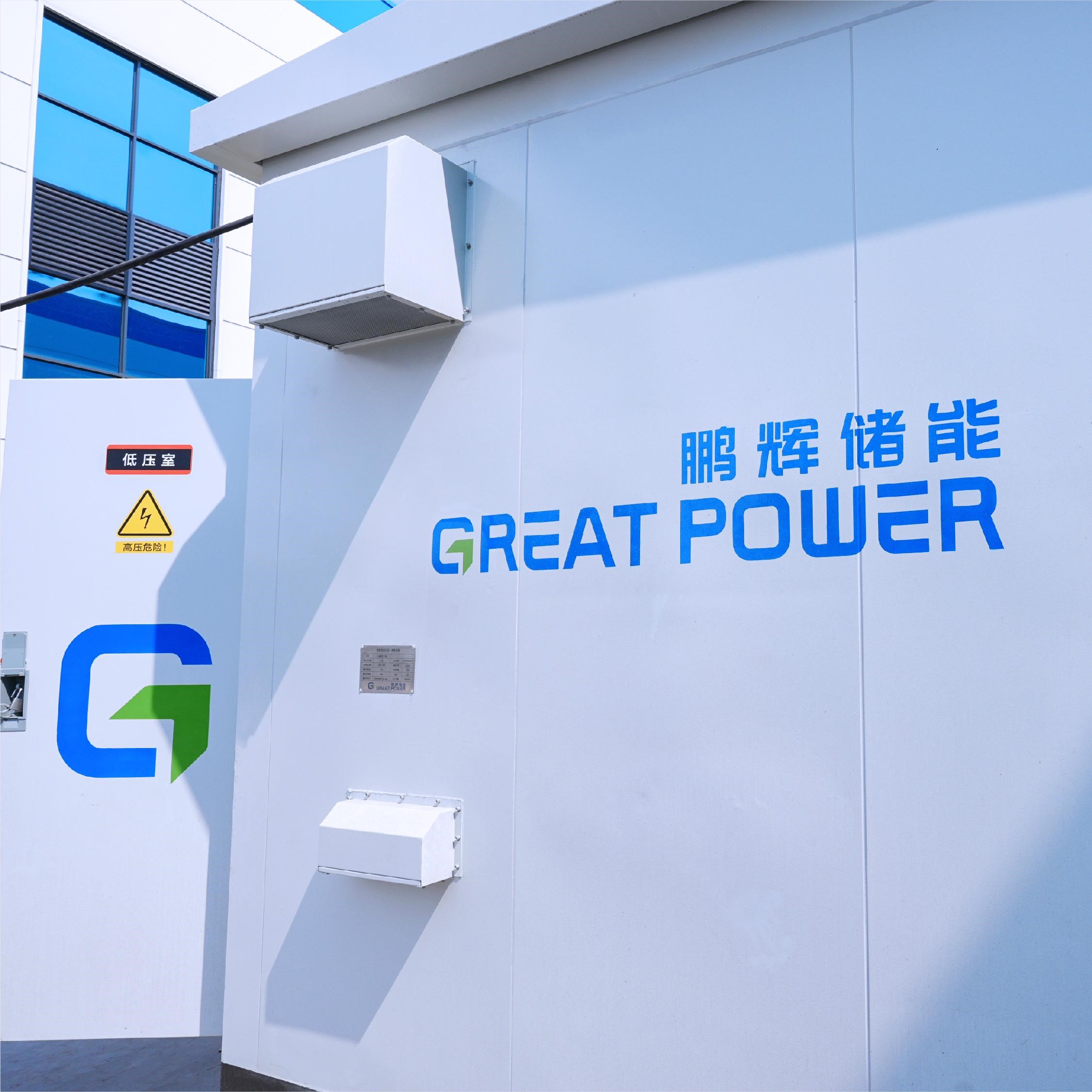
 Selecting the right industrial battery storage requires careful evaluation of energy requirements, application scenarios, system design, and long-term performance. Businesses need solutions that match their current demands while providing enough flexibility for future expansion.
Analyze Energy Requirements Before Selection
The selection process begins with understanding the facility’s actual energy needs. Electricity consumption patterns, peak demand periods, backup requirements, and daily operating schedules all influence the ideal storage configuration.
A commercial building may prioritize reducing peak electricity costs, whereas a heavy-equipment manufacturing facility may require higher discharge power. When it comes to system configuration and capacity planning, different applications demand different techniques.
A comprehensive energy assessment helps businesses avoid both undersizing and oversizing the system.
Determine the Appropriate System Capacity
Storage capacity is one of the most important factors when choosing an energy solution. The required capacity depends on how much electricity needs to be stored and how long the system must provide power during operation.
An energy container offers an integrated approach for large-scale applications by combining battery modules, control equipment, and supporting components within a standardized structure. This design can simplify installation and improve deployment efficiency.
Businesses should consider both current electricity requirements and future growth plans. A scalable system allows additional capacity to be added when energy demand increases, helping companies protect their investment over time.
Evaluate Battery Performance and Technology
Battery technology directly affects the efficiency, safety, and lifespan of an industrial storage system. Li-ion Batteries are widely adopted in industrial applications because they provide high energy density, stable operation, and strong adaptability.
Important evaluation factors include cycle life, charging efficiency, thermal management, and safety protection. These characteristics determine how effectively the system can support long-term industrial operations.
The development of advanced battery solutions has improved the reliability of modern storage systems. Great Power applies battery expertise to energy storage applications, supporting customers that require dependable performance in different industrial environments.
Match Storage Solutions With Specific Applications
Industrial storage systems are used for various purposes, including peak shaving, renewable energy integration, emergency backup, and power quality improvement. Understanding the main application goal helps companies select the most suitable configuration.
Facilities located in areas with unstable power supply may prioritize backup capabilities. Businesses with high electricity demand during specific periods may focus on reducing energy costs through optimized power usage.
An effective industrial battery storage solution should be designed around the actual operating environment rather than based only on general specifications. Application-focused planning improves system efficiency and overall value.
Consider Safety and System Reliability
Safety is a critical factor in industrial energy storage selection. Large battery installations require reliable protection systems, intelligent monitoring, and effective thermal management to maintain stable operation.
The BMS should monitor cell and battery conditions, while system-level monitoring should cover the PCS, thermal management, protection equipment, and controls.
Supplier experience is another important consideration. Companies should review manufacturing standards, testing procedures, and technical capabilities before selecting a storage partner for industrial projects.
Review Installation Requirements and Scalability
The physical installation environment can significantly influence storage system selection. Available space, climate conditions, ventilation requirements, and connection methods should all be evaluated before deployment.
Modular storage designs provide greater flexibility because systems can be expanded according to changing energy needs. This approach is especially valuable for businesses expecting future growth or increased electricity consumption.
An energy container can support different project scales by providing a compact and integrated structure. This flexibility makes containerized solutions suitable for many industrial and commercial applications.
Compare Supplier Capabilities and Support Services
Choosing a storage provider involves more than comparing product specifications. Companies should evaluate technical support, project experience, customization ability, and after-sales service.
A reliable supplier should understand the complete process from battery manufacturing to system integration. Documented engineering and project experience can help align the final system with the customer’s operational requirements .
With expertise in both battery technology and energy storage development, Great Power is able to assist customers with a wide range of applications. Businesses can improve their energy management efficiency and reliability with this kind of integrated capacity.
Evaluate Long-Term Cost and Return on Investment
The total value of an industrial storage system depends on more than the initial purchase price. Maintenance costs, system efficiency, operational savings, and expected service life should also be considered.
A lower-cost solution may create additional expenses if it requires frequent maintenance or fails to meet performance expectations. Companies should focus on long-term benefits when comparing different storage options.
A properly selected system can improve electricity management, reduce operational risks, and provide greater control over future energy expenses.
Conclusion
Selecting suitable industrial battery storage requires a complete evaluation of energy demands, battery technology, safety features, scalability, and supplier capabilities. The right solution should support current operations while preparing businesses for future energy challenges.
More dependable and effective power management is possible for businesses that thoroughly evaluate their needs. Industrial energy performance can be practically improved with the help of a well-designed storage system.
With Great Power‘s assistance, clients can investigate dependable battery-based applications, and the company remains involved in the creation of cutting-edge energy storage solutions. Achieving energy management goals in the long run still requires careful supplier and storage technology selection.
Selecting the right industrial battery storage requires careful evaluation of energy requirements, application scenarios, system design, and long-term performance. Businesses need solutions that match their current demands while providing enough flexibility for future expansion.
Analyze Energy Requirements Before Selection
The selection process begins with understanding the facility’s actual energy needs. Electricity consumption patterns, peak demand periods, backup requirements, and daily operating schedules all influence the ideal storage configuration.
A commercial building may prioritize reducing peak electricity costs, whereas a heavy-equipment manufacturing facility may require higher discharge power. When it comes to system configuration and capacity planning, different applications demand different techniques.
A comprehensive energy assessment helps businesses avoid both undersizing and oversizing the system.
Determine the Appropriate System Capacity
Storage capacity is one of the most important factors when choosing an energy solution. The required capacity depends on how much electricity needs to be stored and how long the system must provide power during operation.
An energy container offers an integrated approach for large-scale applications by combining battery modules, control equipment, and supporting components within a standardized structure. This design can simplify installation and improve deployment efficiency.
Businesses should consider both current electricity requirements and future growth plans. A scalable system allows additional capacity to be added when energy demand increases, helping companies protect their investment over time.
Evaluate Battery Performance and Technology
Battery technology directly affects the efficiency, safety, and lifespan of an industrial storage system. Li-ion Batteries are widely adopted in industrial applications because they provide high energy density, stable operation, and strong adaptability.
Important evaluation factors include cycle life, charging efficiency, thermal management, and safety protection. These characteristics determine how effectively the system can support long-term industrial operations.
The development of advanced battery solutions has improved the reliability of modern storage systems. Great Power applies battery expertise to energy storage applications, supporting customers that require dependable performance in different industrial environments.
Match Storage Solutions With Specific Applications
Industrial storage systems are used for various purposes, including peak shaving, renewable energy integration, emergency backup, and power quality improvement. Understanding the main application goal helps companies select the most suitable configuration.
Facilities located in areas with unstable power supply may prioritize backup capabilities. Businesses with high electricity demand during specific periods may focus on reducing energy costs through optimized power usage.
An effective industrial battery storage solution should be designed around the actual operating environment rather than based only on general specifications. Application-focused planning improves system efficiency and overall value.
Consider Safety and System Reliability
Safety is a critical factor in industrial energy storage selection. Large battery installations require reliable protection systems, intelligent monitoring, and effective thermal management to maintain stable operation.
The BMS should monitor cell and battery conditions, while system-level monitoring should cover the PCS, thermal management, protection equipment, and controls.
Supplier experience is another important consideration. Companies should review manufacturing standards, testing procedures, and technical capabilities before selecting a storage partner for industrial projects.
Review Installation Requirements and Scalability
The physical installation environment can significantly influence storage system selection. Available space, climate conditions, ventilation requirements, and connection methods should all be evaluated before deployment.
Modular storage designs provide greater flexibility because systems can be expanded according to changing energy needs. This approach is especially valuable for businesses expecting future growth or increased electricity consumption.
An energy container can support different project scales by providing a compact and integrated structure. This flexibility makes containerized solutions suitable for many industrial and commercial applications.
Compare Supplier Capabilities and Support Services
Choosing a storage provider involves more than comparing product specifications. Companies should evaluate technical support, project experience, customization ability, and after-sales service.
A reliable supplier should understand the complete process from battery manufacturing to system integration. Documented engineering and project experience can help align the final system with the customer’s operational requirements .
With expertise in both battery technology and energy storage development, Great Power is able to assist customers with a wide range of applications. Businesses can improve their energy management efficiency and reliability with this kind of integrated capacity.
Evaluate Long-Term Cost and Return on Investment
The total value of an industrial storage system depends on more than the initial purchase price. Maintenance costs, system efficiency, operational savings, and expected service life should also be considered.
A lower-cost solution may create additional expenses if it requires frequent maintenance or fails to meet performance expectations. Companies should focus on long-term benefits when comparing different storage options.
A properly selected system can improve electricity management, reduce operational risks, and provide greater control over future energy expenses.
Conclusion
Selecting suitable industrial battery storage requires a complete evaluation of energy demands, battery technology, safety features, scalability, and supplier capabilities. The right solution should support current operations while preparing businesses for future energy challenges.
More dependable and effective power management is possible for businesses that thoroughly evaluate their needs. Industrial energy performance can be practically improved with the help of a well-designed storage system.
With Great Power‘s assistance, clients can investigate dependable battery-based applications, and the company remains involved in the creation of cutting-edge energy storage solutions. Achieving energy management goals in the long run still requires careful supplier and storage technology selection.
How to Select Suitable Industrial Battery Storage for Your Needs
Industrial companies are facing growing challenges in managing electricity costs, maintaining stable operations, and improving energy efficiency. A suitable storage solution can help facilities handle power fluctuations, optimize energy consumption, and increase operational flexibility.
Selecting the right industrial battery storage requires careful evaluation of energy requirements, application scenarios, system design, and long-term performance. Businesses need solutions that match their current demands while providing enough flexibility for future expansion.
Analyze Energy Requirements Before Selection
The selection process begins with understanding the facility’s actual energy needs. Electricity consumption patterns, peak demand periods, backup requirements, and daily operating schedules all influence the ideal storage configuration.
A commercial building may prioritize reducing peak electricity costs, whereas a heavy-equipment manufacturing facility may require higher discharge power. When it comes to system configuration and capacity planning, different applications demand different techniques.
A comprehensive energy assessment helps businesses avoid both undersizing and oversizing the system.
Determine the Appropriate System Capacity
Storage capacity is one of the most important factors when choosing an energy solution. The required capacity depends on how much electricity needs to be stored and how long the system must provide power during operation.
An energy container offers an integrated approach for large-scale applications by combining battery modules, control equipment, and supporting components within a standardized structure. This design can simplify installation and improve deployment efficiency.
Businesses should consider both current electricity requirements and future growth plans. A scalable system allows additional capacity to be added when energy demand increases, helping companies protect their investment over time.
Evaluate Battery Performance and Technology
Battery technology directly affects the efficiency, safety, and lifespan of an industrial storage system. Li-ion Batteries are widely adopted in industrial applications because they provide high energy density, stable operation, and strong adaptability.
Important evaluation factors include cycle life, charging efficiency, thermal management, and safety protection. These characteristics determine how effectively the system can support long-term industrial operations.
The development of advanced battery solutions has improved the reliability of modern storage systems. Great Power applies battery expertise to energy storage applications, supporting customers that require dependable performance in different industrial environments.
Match Storage Solutions With Specific Applications
Industrial storage systems are used for various purposes, including peak shaving, renewable energy integration, emergency backup, and power quality improvement. Understanding the main application goal helps companies select the most suitable configuration.
Facilities located in areas with unstable power supply may prioritize backup capabilities. Businesses with high electricity demand during specific periods may focus on reducing energy costs through optimized power usage.
An effective industrial battery storage solution should be designed around the actual operating environment rather than based only on general specifications. Application-focused planning improves system efficiency and overall value.
Consider Safety and System Reliability
Safety is a critical factor in industrial energy storage selection. Large battery installations require reliable protection systems, intelligent monitoring, and effective thermal management to maintain stable operation.
The BMS should monitor cell and battery conditions, while system-level monitoring should cover the PCS, thermal management, protection equipment, and controls.
Supplier experience is another important consideration. Companies should review manufacturing standards, testing procedures, and technical capabilities before selecting a storage partner for industrial projects.
Review Installation Requirements and Scalability
The physical installation environment can significantly influence storage system selection. Available space, climate conditions, ventilation requirements, and connection methods should all be evaluated before deployment.
Modular storage designs provide greater flexibility because systems can be expanded according to changing energy needs. This approach is especially valuable for businesses expecting future growth or increased electricity consumption.
An energy container can support different project scales by providing a compact and integrated structure. This flexibility makes containerized solutions suitable for many industrial and commercial applications.
Compare Supplier Capabilities and Support Services
Choosing a storage provider involves more than comparing product specifications. Companies should evaluate technical support, project experience, customization ability, and after-sales service.
A reliable supplier should understand the complete process from battery manufacturing to system integration. Documented engineering and project experience can help align the final system with the customer’s operational requirements .
With expertise in both battery technology and energy storage development, Great Power is able to assist customers with a wide range of applications. Businesses can improve their energy management efficiency and reliability with this kind of integrated capacity.
Evaluate Long-Term Cost and Return on Investment
The total value of an industrial storage system depends on more than the initial purchase price. Maintenance costs, system efficiency, operational savings, and expected service life should also be considered.
A lower-cost solution may create additional expenses if it requires frequent maintenance or fails to meet performance expectations. Companies should focus on long-term benefits when comparing different storage options.
A properly selected system can improve electricity management, reduce operational risks, and provide greater control over future energy expenses.
Conclusion
Selecting suitable industrial battery storage requires a complete evaluation of energy demands, battery technology, safety features, scalability, and supplier capabilities. The right solution should support current operations while preparing businesses for future energy challenges.
More dependable and effective power management is possible for businesses that thoroughly evaluate their needs. Industrial energy performance can be practically improved with the help of a well-designed storage system.
With Great Power‘s assistance, clients can investigate dependable battery-based applications, and the company remains involved in the creation of cutting-edge energy storage solutions. Achieving energy management goals in the long run still requires careful supplier and storage technology selection.
Selecting the right industrial battery storage requires careful evaluation of energy requirements, application scenarios, system design, and long-term performance. Businesses need solutions that match their current demands while providing enough flexibility for future expansion.
Analyze Energy Requirements Before Selection
The selection process begins with understanding the facility’s actual energy needs. Electricity consumption patterns, peak demand periods, backup requirements, and daily operating schedules all influence the ideal storage configuration.
A commercial building may prioritize reducing peak electricity costs, whereas a heavy-equipment manufacturing facility may require higher discharge power. When it comes to system configuration and capacity planning, different applications demand different techniques.
A comprehensive energy assessment helps businesses avoid both undersizing and oversizing the system.
Determine the Appropriate System Capacity
Storage capacity is one of the most important factors when choosing an energy solution. The required capacity depends on how much electricity needs to be stored and how long the system must provide power during operation.
An energy container offers an integrated approach for large-scale applications by combining battery modules, control equipment, and supporting components within a standardized structure. This design can simplify installation and improve deployment efficiency.
Businesses should consider both current electricity requirements and future growth plans. A scalable system allows additional capacity to be added when energy demand increases, helping companies protect their investment over time.
Evaluate Battery Performance and Technology
Battery technology directly affects the efficiency, safety, and lifespan of an industrial storage system. Li-ion Batteries are widely adopted in industrial applications because they provide high energy density, stable operation, and strong adaptability.
Important evaluation factors include cycle life, charging efficiency, thermal management, and safety protection. These characteristics determine how effectively the system can support long-term industrial operations.
The development of advanced battery solutions has improved the reliability of modern storage systems. Great Power applies battery expertise to energy storage applications, supporting customers that require dependable performance in different industrial environments.
Match Storage Solutions With Specific Applications
Industrial storage systems are used for various purposes, including peak shaving, renewable energy integration, emergency backup, and power quality improvement. Understanding the main application goal helps companies select the most suitable configuration.
Facilities located in areas with unstable power supply may prioritize backup capabilities. Businesses with high electricity demand during specific periods may focus on reducing energy costs through optimized power usage.
An effective industrial battery storage solution should be designed around the actual operating environment rather than based only on general specifications. Application-focused planning improves system efficiency and overall value.
Consider Safety and System Reliability
Safety is a critical factor in industrial energy storage selection. Large battery installations require reliable protection systems, intelligent monitoring, and effective thermal management to maintain stable operation.
The BMS should monitor cell and battery conditions, while system-level monitoring should cover the PCS, thermal management, protection equipment, and controls.
Supplier experience is another important consideration. Companies should review manufacturing standards, testing procedures, and technical capabilities before selecting a storage partner for industrial projects.
Review Installation Requirements and Scalability
The physical installation environment can significantly influence storage system selection. Available space, climate conditions, ventilation requirements, and connection methods should all be evaluated before deployment.
Modular storage designs provide greater flexibility because systems can be expanded according to changing energy needs. This approach is especially valuable for businesses expecting future growth or increased electricity consumption.
An energy container can support different project scales by providing a compact and integrated structure. This flexibility makes containerized solutions suitable for many industrial and commercial applications.
Compare Supplier Capabilities and Support Services
Choosing a storage provider involves more than comparing product specifications. Companies should evaluate technical support, project experience, customization ability, and after-sales service.
A reliable supplier should understand the complete process from battery manufacturing to system integration. Documented engineering and project experience can help align the final system with the customer’s operational requirements .
With expertise in both battery technology and energy storage development, Great Power is able to assist customers with a wide range of applications. Businesses can improve their energy management efficiency and reliability with this kind of integrated capacity.
Evaluate Long-Term Cost and Return on Investment
The total value of an industrial storage system depends on more than the initial purchase price. Maintenance costs, system efficiency, operational savings, and expected service life should also be considered.
A lower-cost solution may create additional expenses if it requires frequent maintenance or fails to meet performance expectations. Companies should focus on long-term benefits when comparing different storage options.
A properly selected system can improve electricity management, reduce operational risks, and provide greater control over future energy expenses.
Conclusion
Selecting suitable industrial battery storage requires a complete evaluation of energy demands, battery technology, safety features, scalability, and supplier capabilities. The right solution should support current operations while preparing businesses for future energy challenges.
More dependable and effective power management is possible for businesses that thoroughly evaluate their needs. Industrial energy performance can be practically improved with the help of a well-designed storage system.
With Great Power‘s assistance, clients can investigate dependable battery-based applications, and the company remains involved in the creation of cutting-edge energy storage solutions. Achieving energy management goals in the long run still requires careful supplier and storage technology selection.